A burst pipe, failed water heater, or roof leak can turn a Los Angeles County property into a soaked, unstable mess within minutes. A.S.A.P. Restoration & Remodeling responds 24/7/365 with IICRC-certified technicians, truck-mounted extraction equipment, and industrial drying systems to stop water from spreading and causing further damage to floors, walls, and belongings.
With over 20 years in business, 7,500+ completed jobs, and 35+ trained field technicians, we have handled water losses of every size, from a single bathroom leak to multi-unit apartment flooding. Our crews use moisture meters, hygrometers, and thermal imaging to find hidden water behind walls and under flooring that a visual inspection would miss, so drying is thorough and mold risk is minimized.
A.S.A.P. is one of the few companies in Los Angeles County that handles both the water mitigation and the full reconstruction that follows, under one roof. We own our trucks and equipment and never subcontract your project, so you work with the same dedicated project manager from the first extraction visit through the final coat of paint.
What we do, step by step
- 1
Evaluate
We inspect the property, identify the water source and category, and document the full extent of damage for your records and insurance claim.
- 2
Extract water
Truck-mounted and portable extraction units remove standing water quickly from floors, carpet, and padding to limit how far it spreads.
- 3
Set drying equipment
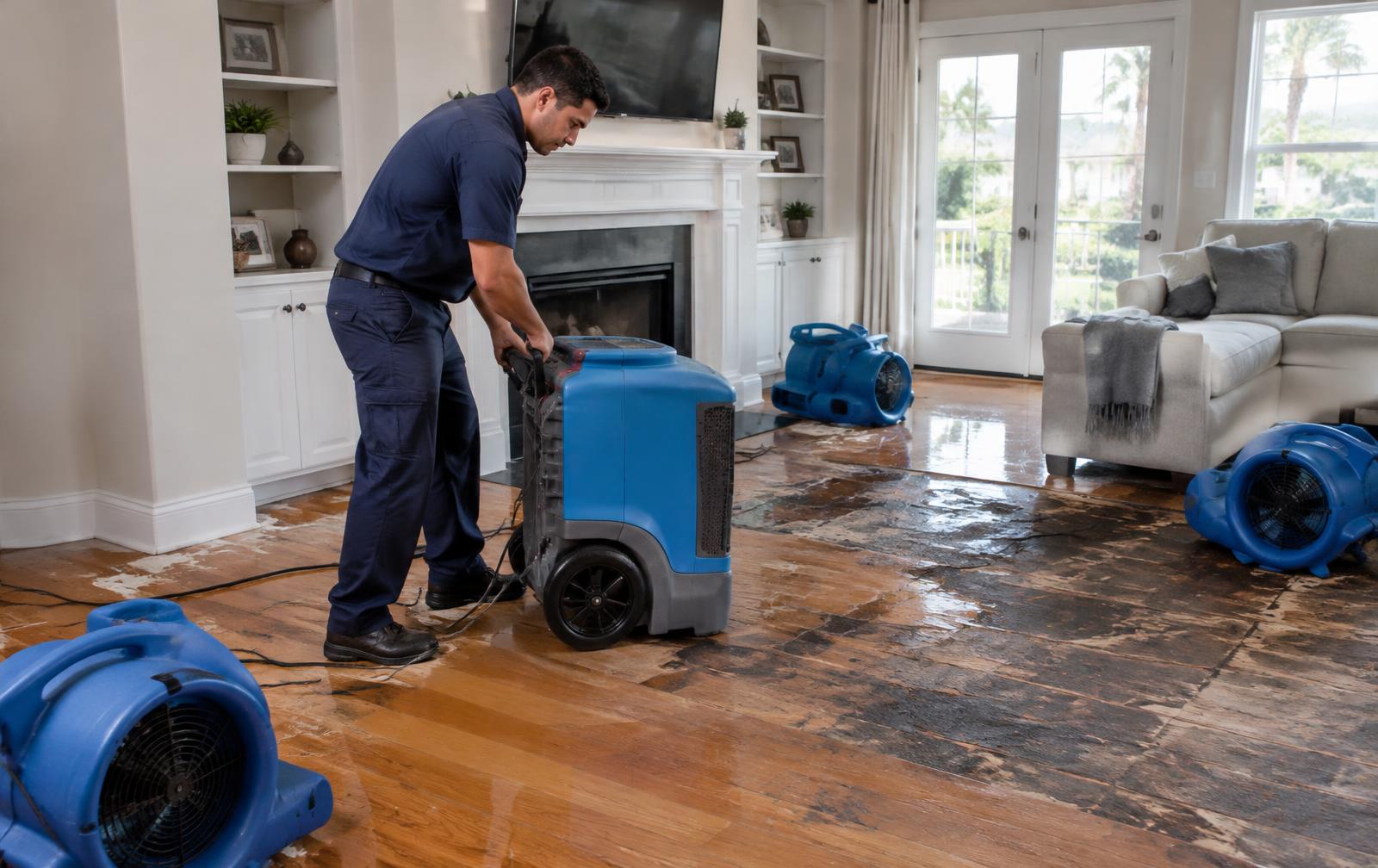
Industrial air movers and dehumidifiers are placed strategically to pull moisture out of walls, subfloors, and framing.
- 4
Moisture readings
We take moisture readings on affected materials daily to confirm equipment placement is working and track progress against dry standards.
- 5
Relative humidity readings
Relative humidity in the structure is measured and logged so drying conditions stay within the range needed to prevent secondary damage and mold growth.
- 6
Monitor until dry
Equipment stays in place and readings continue until every affected material reaches a verified dry standard, not just until it looks dry.
- 7
Rebuild
Once the structure is confirmed dry, our in-house reconstruction team repairs drywall, flooring, paint, cabinetry, and anything else lost to the water.
Warning signs
- Warped, cupped, or buckling wood flooring
- Soft, spongy, or sagging drywall and ceilings
- A musty or damp odor that persists after cleaning
- Discoloration or staining on walls, ceilings, or baseboards
- Visible mold spots or a sudden rise in indoor humidity
- Peeling paint or bubbling wallpaper
- Unexplained spikes in your water bill
Understanding Water Damage Categories
Not all water damage is the same, and the category of water determines how it must be handled to keep your home or business safe. The IICRC classifies water intrusions into three categories, and our technicians assess every job accordingly before beginning mitigation.
Category 1 — Clean water
Comes from sanitary sources such as supply line breaks, overflowing sinks, or rainwater intrusion. It poses little health risk if addressed quickly, but can degrade into a more serious category the longer it sits.
Category 2 — Grey water
Contains a significant level of contamination and may cause illness if ingested. Common sources include washing machine overflow, dishwasher discharge, or urine-tainted toilet overflow.
Category 3 — Black water
Grossly unsanitary water containing sewage, pathogens, or harmful chemicals, such as backed-up sewage, rising floodwater, or stagnant water that has supported bacterial growth. It requires specialized protective equipment and disposal of affected porous materials.
What Happens If You Wait
Water damage does not stay contained, and every hour of delay increases the cost and scope of repairs. Here is how quickly untreated water damage progresses in a typical Los Angeles County home or business.
Within minutes
Water spreads across floors and under baseboards, and furniture or rugs begin to stain carpet and flooring.
Within hours
Wood and drywall start to swell, delamination begins in laminate and veneer surfaces, and dyes from fabrics or furniture bleed into flooring.
24 to 48 hours
Mold can begin to grow on wet drywall, carpet padding, and other organic materials in the right conditions.
Within days
Wood floors cup and warp, drywall weakens further, and odors intensify throughout the structure.
Within weeks
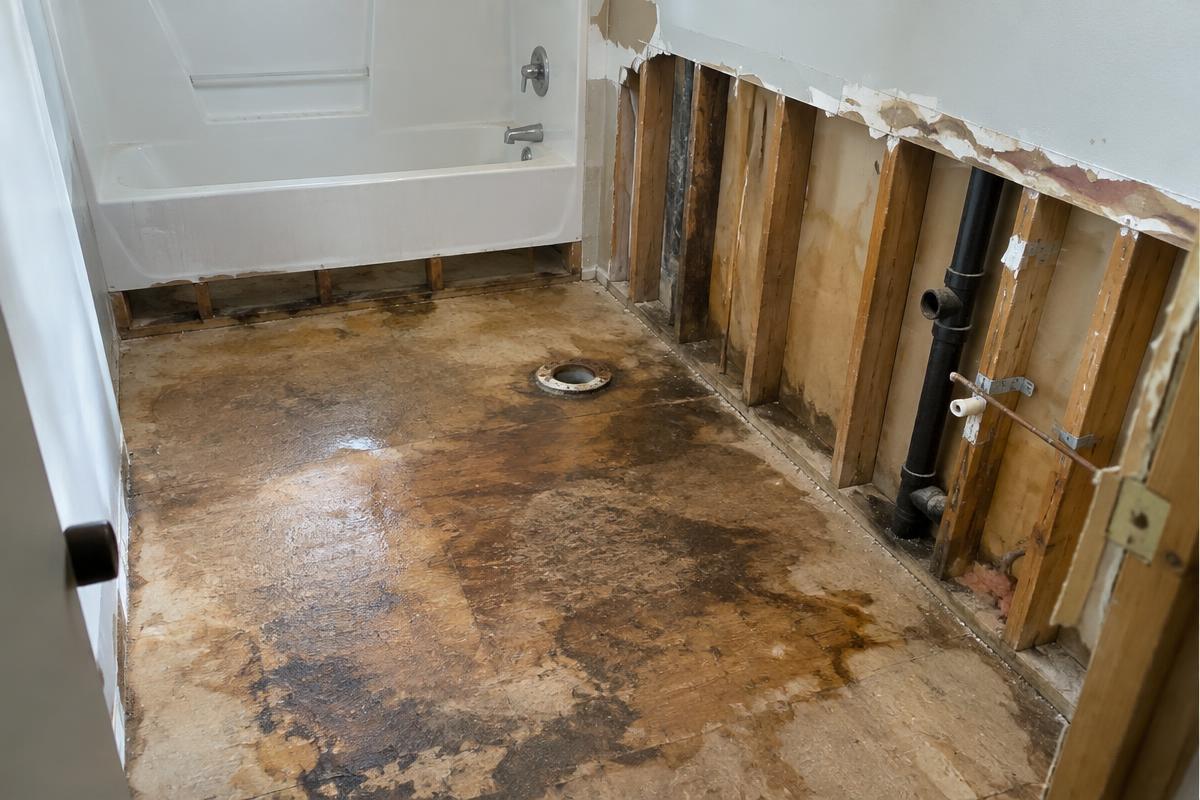
Structural materials can be destroyed beyond repair, and severely affected homes may need partial or full gutting to remove contaminated materials.
Leak Detection
Many water losses start small and hidden, a slow pipe leak inside a wall or a failing slab leak under a foundation, and go undetected until damage is extensive. Our technicians use moisture meters, thermal imaging cameras, and hygrometers to locate hidden leaks before they cause further damage, so we can address the water source and begin drying the structure correctly the first time.
Insurance & your claim
A.S.A.P. Restoration & Remodeling has worked with every major insurance carrier and understands how to document water losses using Xactimate estimates that align with insurance company standards. We can bill your insurance company directly, so you are not covering the full cost upfront while your claim is processed.
You always have the right to choose your own contractor after a water damage loss. Your dedicated project manager will walk you through the claims process, answer your questions, and coordinate directly with your adjuster so you can focus on getting your property, and your life, back to normal.
We also rebuild
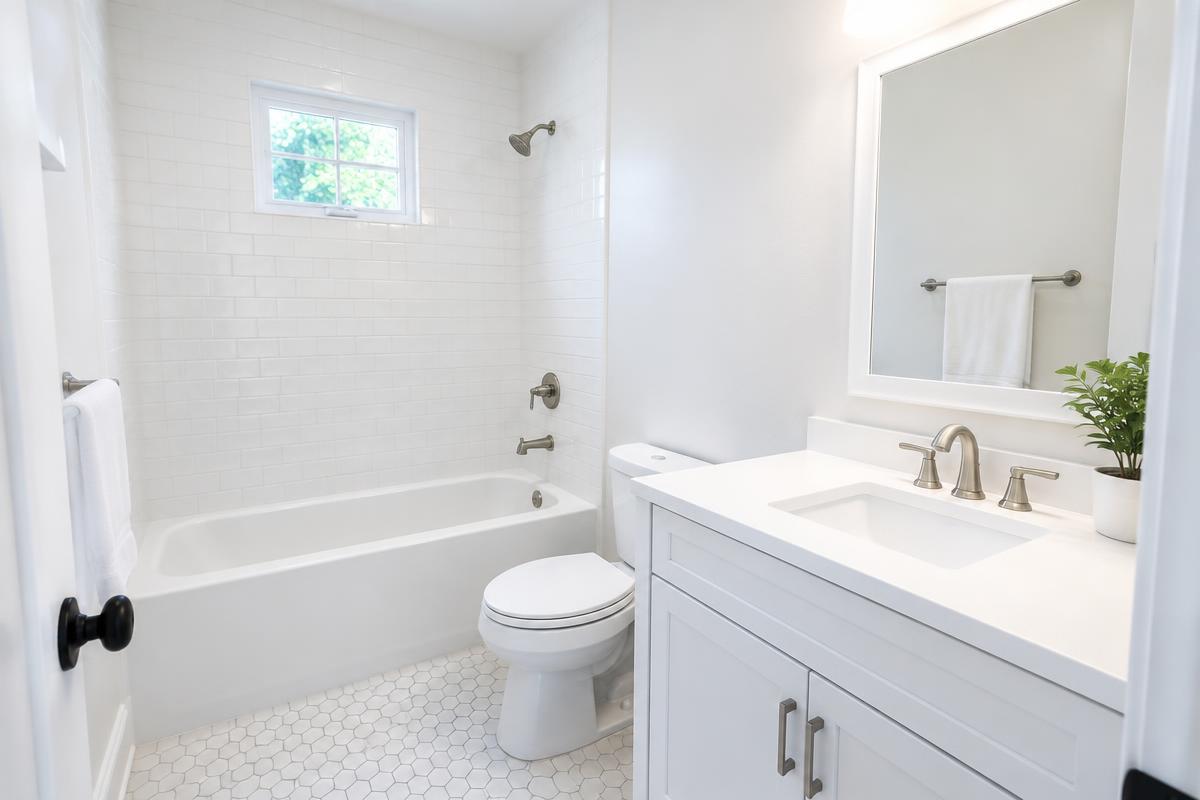
Water damage rarely stops at drying. Once your structure is confirmed dry, our in-house reconstruction team can rebuild everything from drywall and insulation to flooring, cabinetry, and paint, so you never have to hire a second contractor to finish the job.
Reconstruction & remodeling →